 Vogel
Vogel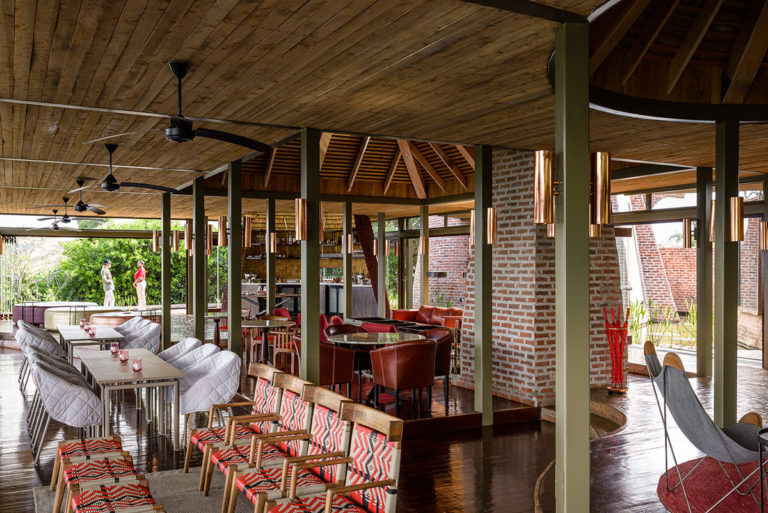
A hand-woven seat is one of the most tactile, characterful elements a piece of furniture can have. It's also one of the most misunderstood when it comes to care and maintenance. With the right approach — which is simpler than most people expect — a quality woven seat will last decades and develop a beautiful patina along the way.
The key is understanding that different materials require different care. Cotton rope, leather, sisal and rattan each have their own properties and respond differently to cleaning, moisture and wear. Here's everything you need to know.
Cotton rope — The most popular choice
Cotton rope is our most requested weave material — valued for its softness, its wide colour range and its natural, tactile quality. It's also the most straightforward to maintain.
Day-to-day care
Brush loose dirt and crumbs away with a soft brush or cloth. For cotton rope, this is all the maintenance most pieces need for months of regular use.
Cleaning spills
Act quickly. Blot (don't rub) any spill with a clean, dry cloth. For water-based spills, this is usually sufficient. For food or oily spills, a small amount of mild dish soap diluted in cold water, applied with a soft cloth, will lift most stains. Work from the outside of the stain inward to prevent spreading, then blot with a clean damp cloth to remove any soap residue.
Allow the rope to dry completely before use — dampness trapped in the weave can cause mildew if left for extended periods.
Deep cleaning
For a thorough clean, a spray bottle of diluted mild soap and water, applied lightly and scrubbed gently with a soft brush, works well. Rinse with a clean damp cloth and allow to air dry in a well-ventilated area — outdoors in shade if possible. Avoid direct sunlight for drying, which can cause some colours to fade over time.
What to avoid
- Bleach or harsh chemical cleaners — will damage and discolour the fibres
- Soaking the weave — saturating cotton rope can weaken the fibres over time
- Machine washing — never machine wash a woven seat
- High-pressure water (pressure washers) — will loosen the weave structure
Leather — The premium choice that improves with age
Leather is the most premium weave material we offer and, when properly maintained, the most rewarding. Full-grain leather develops a patina over years of use that genuinely cannot be replicated — it becomes more beautiful, not less.
Conditioning
The single most important thing you can do for a leather-woven seat is to condition it regularly — every 6 to 12 months, depending on your climate. Use a quality leather conditioner (we recommend a beeswax-based conditioner applied with a soft cloth). This prevents the leather from drying out, cracking and losing its suppleness.
In very dry climates — including much of inland South Africa — condition every 3 to 4 months.
Cleaning spills
Blot immediately with a clean, dry cloth. Do not rub. For stubborn stains, a leather-specific cleaner applied with a soft cloth is safe. Avoid water-based cleaners, which can stain and stiffen leather.
Long-term care
Keep leather away from prolonged direct sunlight, which will cause colour fading and drying. In rooms with direct sun, consider UV-filtering window film. Over years of use, the natural oils in leather can cause slight darkening at contact points — this is entirely normal and considered desirable as part of the leather's character.
Sisal — Natural, earthy, minimal maintenance
Sisal is one of the most naturally durable weave materials we use. Its coarse, rigid fibres resist most surface soiling and clean easily in most cases with a stiff brush and cold water.
Important: keep dry
Sisal's primary vulnerability is sustained moisture. Unlike cotton or leather, sisal can shrink, stiffen and lose its structure if repeatedly soaked and dried. For this reason, we do not recommend sisal for kitchen dining chairs or any environment with frequent liquid spills. It is, however, an excellent choice for lounge chairs and lower-traffic dining settings.
Cleaning
Brush regularly with a stiff brush to remove dust and surface dirt. For spot cleaning, blot spills immediately and allow to dry naturally. Avoid soaking.
Rattan — Traditional, durable, low maintenance
Rattan reed is one of the most durable weave materials available and requires relatively little maintenance. Its smooth, semi-rigid structure resists most surface soiling and can be wiped clean easily.
Cleaning
Wipe with a damp cloth for routine cleaning. For a deeper clean, a mild soap solution applied with a soft brush, followed by a rinse with a clean damp cloth, is effective. Allow to dry completely before use.
Conditioning
Rattan can dry out and become brittle in very low-humidity environments. An annual application of linseed oil or a furniture wax helps maintain its flexibility and sheen.
General rules for all woven seat materials
- Act fast on spills. The sooner you address a spill, the better the outcome — regardless of material.
- Dry completely. All weave materials benefit from thorough drying after cleaning. Trapped moisture is the primary cause of premature deterioration.
- Avoid prolonged direct sunlight. All natural materials — cotton, leather, sisal, rattan — will fade and degrade over time with consistent UV exposure.
- Rotate chairs if possible. In dining sets, rotating which chairs receive the most use extends the even wear of the weave across all pieces.
- Don't over-clean. Woven seats are more robust than they look. Over-cleaning with strong products causes more damage than occasional dirt.
When to contact us
If your weave has sustained significant damage — a broken strand, a section of loose weave, or damage from a sustained spill — contact us before attempting repair. In many cases, we can repair or re-weave a damaged section, or advise on the best approach for your specific piece.
Choosing your weave material?
Use our Design Studio to select your material, pattern and colour — or call us if you'd like to discuss the right choice for your lifestyle.
Browse & customise →Frequently asked questions
How long do hand-woven seats last?
With proper care, cotton rope and rattan seats last 10–20+ years in normal residential use. Leather seats, when properly conditioned, can last significantly longer — developing character rather than deteriorating. We have pieces in commercial hospitality settings that are over a decade old and still in excellent condition.
Can a damaged woven seat be repaired?
In most cases, yes. Contact us with details and photographs of the damage and we'll advise on the best approach. Re-weaving a damaged section is often possible and significantly less expensive than replacing the chair.
Is cotton rope suitable for families with young children?
Cotton rope is more forgiving of spills than leather or sisal, and can be spot-cleaned effectively. For families with very young children, we often recommend darker weave colours — charcoal, espresso or navy — which conceal everyday soiling between cleans.
Which material is best for a coastal home?
Rattan is the most resistant to humidity. Leather is the least suitable for high-humidity environments without very regular conditioning. Cotton rope performs well in coastal settings if kept dry and cleaned regularly.