 Vogel
VogelTimber Guide
Iroko Wood Furniture: The Sustainable Hardwood Guide
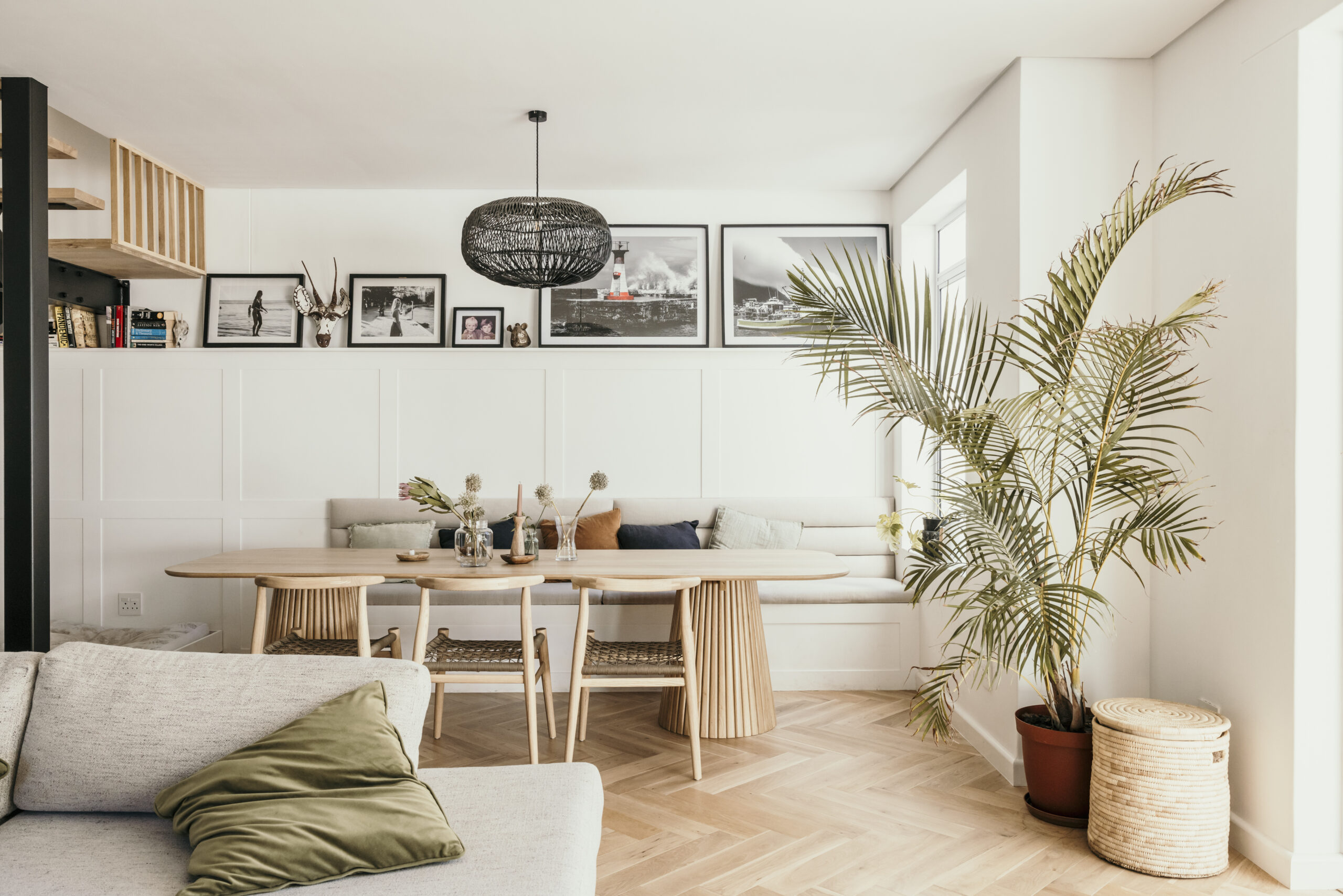
Iroko is one of the most quietly capable hardwoods we work with — a robust West African timber with a warm golden-brown tone, excellent durability and a well-earned reputation as a sustainable alternative to teak. Here is what makes it such a good choice for handcrafted furniture.
In short: Iroko is a dense, naturally durable hardwood with an interlocked grain and a golden-brown colour that deepens beautifully with age. It resists decay and moisture better than most timbers, which is why it is often specified where teak once was — at a more accessible price and with a lighter environmental footprint.
What is Iroko wood?
Iroko (Milicia excelsa) is a large hardwood tree native to the tropical west coast of Africa. It is sometimes called African teak, though it is botanically unrelated to true teak. The heartwood ranges from a pale golden-brown when freshly worked to a richer, deeper brown as it matures and is exposed to light.
Is Iroko a good wood for furniture?
Yes — Iroko is an excellent furniture timber. It is hard and dense enough to withstand the daily stresses of chairs, tables and benches, its interlocked grain gives it strength and visual character, and its natural oils make it unusually resistant to decay, insects and moisture. That durability means an Iroko piece is genuinely built to last generations.
Iroko vs teak: what is the difference?
Teak has long been the benchmark for durable, weather-tolerant hardwood furniture — but it is expensive and, depending on source, can carry sustainability concerns. Iroko delivers much of what makes teak desirable: density, natural oil content, decay resistance and a warm tone. It is more affordable and, from responsibly managed sources, a more sustainable choice. For most clients specifying a durable golden hardwood, Iroko is the smarter pick.
What finish suits Iroko?
Iroko takes a natural oil finish beautifully — the oil deepens its warmth and brings out the grain. It also wears a light or white oil well for a brighter, more contemporary result. Because the timber is naturally oily, finishes sit and cure slightly differently than on drier woods, which is part of what gives an oiled Iroko surface its soft, hand-rubbed glow.
Is Iroko sustainable?
Responsibly sourced Iroko is a sound sustainable choice. We verify the provenance of our timber and prioritise legal, managed sources. Because Iroko grows across a wide region and offers a credible alternative to more heavily pressured species like teak, choosing it can ease demand on scarcer timbers — part of our broader approach to sustainable furniture making.
Iroko, made to order
Iroko is one of our core timbers, offered in a range of finishes across our seating and tables. See it on a piece, or request a timber sample.
Browse our furniture →Frequently asked questions
Is Iroko the same as teak?
No. Iroko is sometimes called African teak because of its similar durability and warm tone, but it is a different species. It offers comparable performance at a more accessible price.
Does Iroko darken over time?
Yes. Freshly worked Iroko is a pale golden-brown and deepens to a richer brown as it ages and is exposed to light. This patina is one of the timber's most attractive qualities.
Is Iroko good for outdoor furniture?
Iroko's natural oils and density give it strong resistance to moisture and decay, which is why it performs well in demanding, humid and coastal environments. For fully exposed outdoor use we will advise on the right finish and maintenance.
Where can I buy Iroko furniture in South Africa?
Vogel Design handcrafts Iroko furniture in Cape Town and ships nationwide and internationally. Our dining chairs, bar stools, benches and tables are all available in Iroko with your choice of finish.
Ready to order?
Design your custom piece — exactly as you want it.
Choose your timber, finish, weave material, pattern and colour. We build it to order in Cape Town and ship nationwide and worldwide.