 Vogel
Vogel
Sourcing custom furniture is one of the most relationship-dependent parts of an interior designer's practice. The right furniture maker — one who delivers on quality, communicates reliably and understands how design projects actually work — can become one of your most valuable long-term collaborators. The wrong one can derail a project and damage a client relationship.
After 15 years of working with architects and interior designers across South Africa and internationally, we've learned what the best designers need from a furniture supplier. Here's our honest guide to finding the right custom furniture maker for your practice.
What to look for in a custom furniture maker
1. A visible track record with projects like yours
The most reliable indicator of whether a maker can deliver for you is whether they've delivered for clients in comparable situations. A workshop that excels at residential one-offs may struggle with a hospitality project requiring 120 chairs on a fixed deadline. Ask for a portfolio that is specific to your project type — residential, hospitality, commercial — and look for the scale and complexity that mirrors your brief.
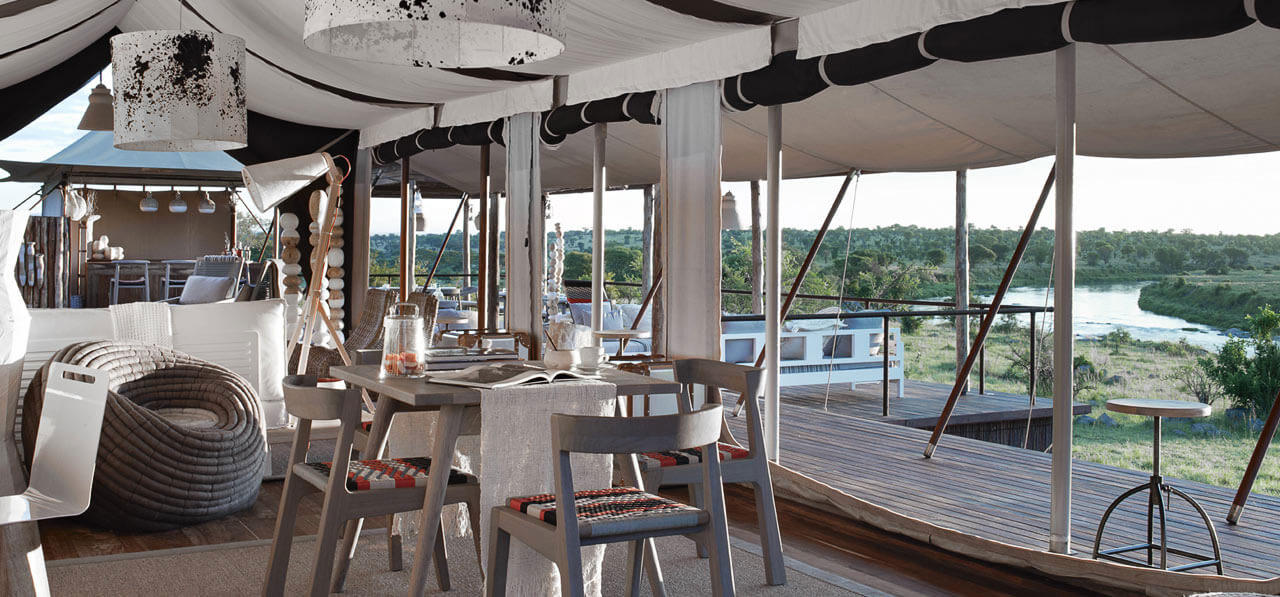
At Vogel Design, our portfolio spans private residences, luxury safari lodges, boutique hotels and restaurant groups across 12 countries. We can point to specific projects at scale — from single bespoke dining tables to 200-chair hospitality installations.
2. Written lead time commitments
Any reputable maker will commit to a lead time in writing — and honour it. If a workshop gives you a verbal estimate and hedges when you ask for it in writing, that's a signal. Lead time reliability is the single most common pain point designers report with furniture suppliers. Design projects run on schedules. Your furniture maker needs to run on one too.
3. Specification documentation
You should be able to get a full specification sheet for any product you're considering — with accurate dimensions, material specs, tolerance ranges and lead times. This documentation needs to be insertable into your project files without modification. If a maker can't or won't provide this, find one who can.
4. A sampling process
You should never be in a position of approving a material or finish combination you haven't seen in person, in your client's space, under real lighting. A quality maker will offer physical samples of all timber species and weave materials — and will send them to you, ideally free of charge. Client presentations built on material samples rather than screen photographs result in fewer post-production surprises.
5. Honest communication when things change
Design projects change. Timelines shift. Client briefs evolve. A maker who communicates clearly and proactively when circumstances change is worth far more than one who goes quiet and hopes you won't notice. Ask specifically how they handle delays, specification changes mid-production and situations where a piece isn't meeting quality standards.
How to structure a brief for a custom furniture maker
The more clearly you brief, the better the outcome. A strong brief for a custom furniture maker should include:
- Quantity and product type — exact numbers, with any variation between pieces noted
- Dimensions — any custom sizing requirements, with tolerances where relevant
- Material specifications — timber species, finish, weave material, pattern and colour
- Delivery address and access requirements — particularly for large pieces in multi-storey buildings
- Project deadline — the date the pieces need to be on site, with any critical milestones noted
- Budget range — being transparent about budget upfront avoids wasted time on both sides
Working with Vogel Design on trade projects
Our trade programme is built specifically around the way design professionals work. Here's what it includes:
Specification sheets on request
We provide technical specification documents for every product in our range — formatted for direct insertion into your project documentation. These include all dimensions (with tolerances), material options, lead times and care guidance.
Sample delivery anywhere in South Africa
We courier timber and weave samples to your studio free of charge. We can provide sample sets for client presentations — returned or kept as part of your studio sample library.
Fixed project quoting
We quote in writing with fixed pricing and lead times. For projects requiring multiple rounds of production (phased fit-outs, for example), we structure quotes to reflect each phase separately.
Production photography
For larger projects, we send progress photography at key production milestones — giving you something to share with your client and confidence that production is on track.
One point of contact
You deal with the same person from initial brief to final delivery. No passing between departments, no repeated explanation of requirements.
International projects
We have significant experience with international project delivery — having shipped to the USA, UK, Kenya, Botswana, Tanzania, the Seychelles and beyond. If your project involves international delivery, we manage all customs documentation, freight logistics and insurance. You receive a fixed, all-inclusive quote that covers the piece from our workshop to the project site.
Working on a project?
Register for our trade programme and receive specification sheets, samples and dedicated account support. We respond to all trade enquiries within 24 hours.
Explore the Trade Programme →Frequently asked questions
Do you offer trade pricing?
Yes. Trade pricing is available for interior designers, architects and project specifiers. Register via our trade programme page and we'll set up your account and provide our current trade price list within 48 hours.
What is your minimum order quantity for trade projects?
We have no minimum order quantity. We make single pieces and large hospitality installations with the same level of care. For projects under 4 pieces, our standard lead times apply. For larger orders, we discuss dedicated production scheduling.
Can you accommodate last-minute specification changes?
Changes before production begins — timber species, finish, weave material — can almost always be accommodated at no cost. Changes once production has started depend on the stage of manufacture and may incur additional costs. We advise on this honestly and quickly when a change request comes through.
Do you provide furniture for photography and staging?
On a case-by-case basis, yes. Contact us with details of your project.